
London series: Lecturer’s Notes

Lecturer’s notes are usually handed to the class as reading prior to in-class teaching. These notes are summaries of what will be taught in the class and are usually very complete. However, on the first read you might not be able to fully understand what these notes are saying so use these notes as a guide instead of an absolute lifeline. Additionally, these notes might also have some exercises on them so doing them during the class would benefit you massively as you would only need to revise afterwards.

Using lecturer’s notes is very easy as all you have to do is add additional explanation on the already complete note. This is purely to help you understand what the notes mean in your own language. This will save you time and energy so you can really listen to the lecturer during class and have a more complete learning experience.

London series: Technicalities

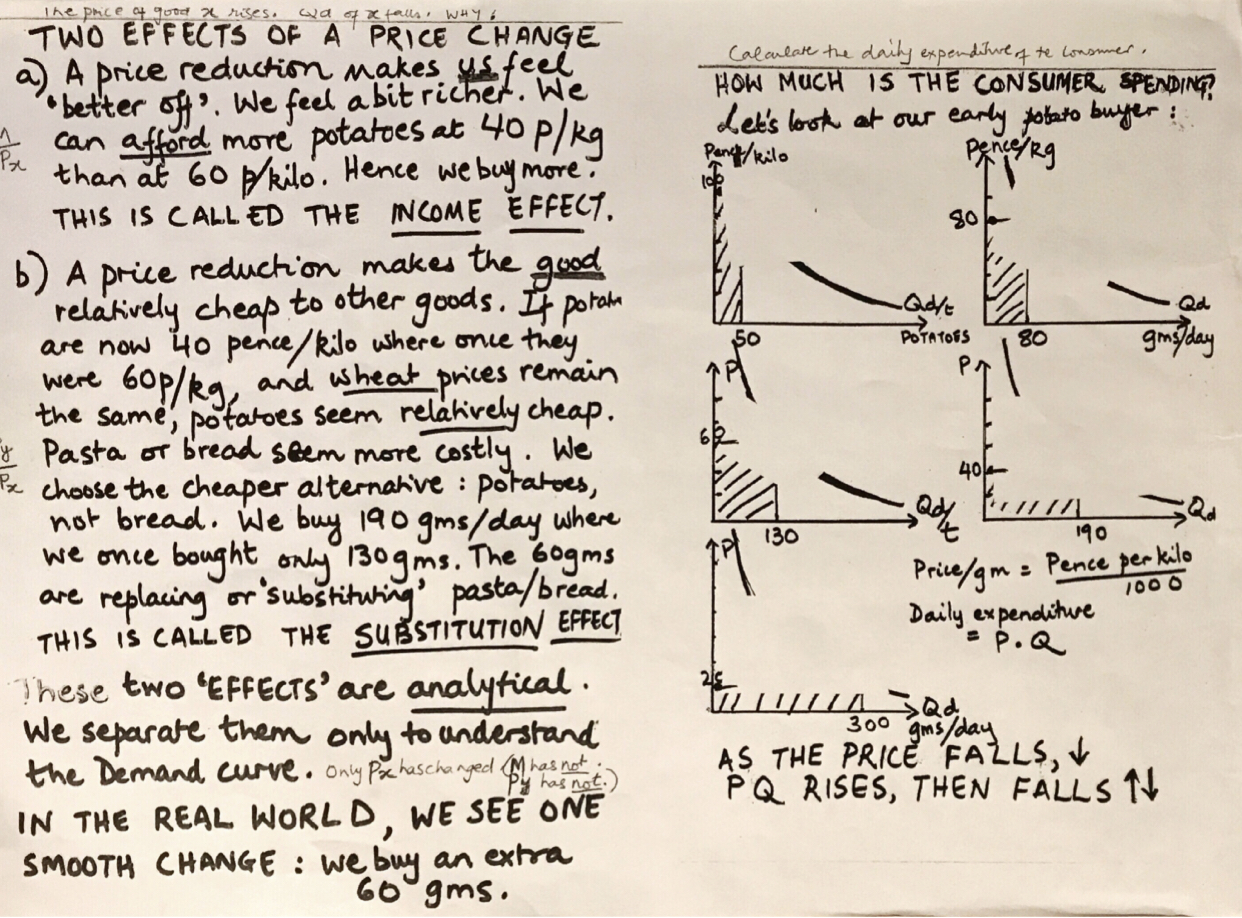
Technicalities refer to the elaboration of a certain concept. For example, in economics there is the topic of the law of demand. The law of demand is explained in several ways to understand its mechanisms such as through graphs and the theory that explains the graph. This serves to help the student understand what the concept is when viewed as a theoretical microcosm within the entirety of the lesson. These technicalities should be noted down very meticulously as UK unis and unis in general regard understanding this as academic success.

When writing down technicalities it’s important to use the notes handed by the lecturer or the presentation used to explain. If these types of materials are provided all you will have to do is add additional explanation to the already written notes until you understand. By doing this, you’re saving your time writing completely new notes and have more time to listen to what the lecturer is actually saying.

London series: Topics

Topics are the most straightforward thing you could take note off. You could literally just write the title of the material or subtopic you are being taught in class. However, doing this mindlessly could present problems when doing further revisions.

When listening to lectures or taking down notes, its important to write a guideline at the top of your notes. The difficulty of writing this guideline can range fro simple to moderately simple as all it is is a list of the topics and subtopics within the module or lesson. This will allow you to see the bigger picture when studying and refer to a specific section when you need to.

London Series: Note-taking

Your notes will be your lifeline in surviving uni. Without them you would find it difficult to succeed as most of the material is verbally delivered. Being able to take good notes is essential in revising and using that information for later reference. While note-taking isn’t an incredibly difficult skill to master, tips and tricks are always useful to be shared when they can. This week we’ll be discussing several tips for you to keep in mind when taking notes.

  • Topics
  • Technicalities
  • Statistics
  • Lecturer’s notes
  • Revision
  • Deadlines

London series: Laboratory Practicals

Laboratory practicals are probably the most stressful classes to attend. These classes are usually the closest you can get to gaining professional experience within uni as the handling of equipment and real life scenarios are similar to professional laboratory work. Due to this semi-professional nature, succeeding in these classes are quite difficult and stressful as you’ll be working under time constraints and striving to achieve the standards your uni will place.

This means that attending these classes are imperative if you have any in your course. Missing out on a class could severely affect your grades and knowledge of the skills necessary for laboratory practicals. Similar to regular practicals, the scheduling of laboratory practicals are quite rigid and you would ideally try to always attend these classes according to your schedule.

London series: Practicals

Practicals are not always their own type of class. Practicals could also refer to practical examinations such as presentations or debates held within seminars. For natural science related subjects, practicals could also refer to experiments outside of laboratory work. These classes are more crucial to your grades instead of learning itself due to the uncertainty of your future and the specialisation taught in these classes. Nevertheless, to keep progressing in your uni life practicals are an essential class for you to always attend.

Not attending practicals could pose a problem. The grading of the tasks done in these classes are usually inflexible and are a one time offer. If you miss these assessments the implications towards your final grade could be severe and you might have to end up repeating a year. Also, during assessments such as presentations and debates. Its important to attend as you’ll be listening to your classmates speak. This has many benefits but ultimately is most useful for bonding. You’ll be able to strengthen your connections with other people to have them available to assist you during your life in uni.