London series: Revision

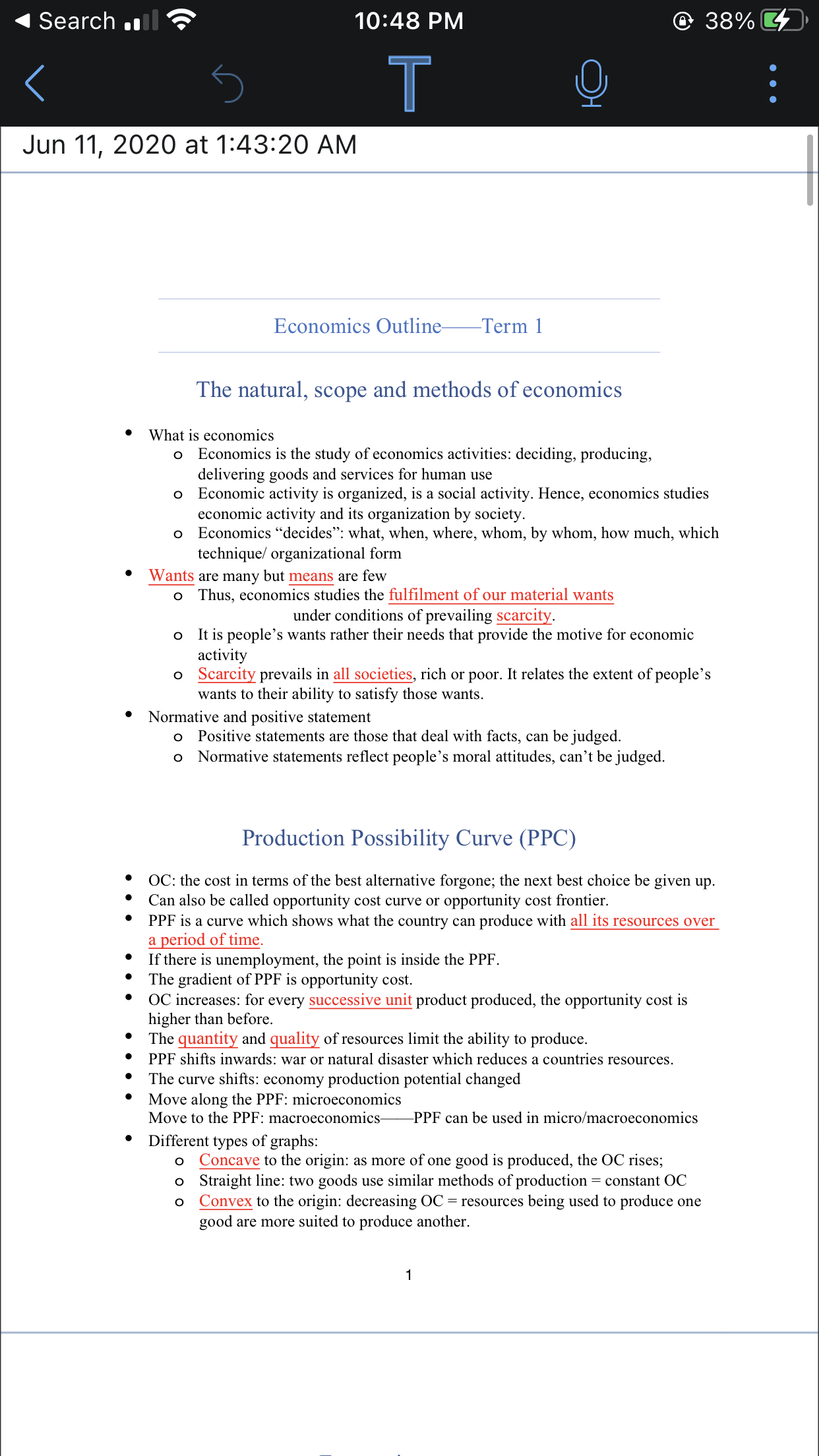
Revision might not be classified as in-class note taking but additional notes can be taken during your independent studying time. This is because students often find new pieces of information about the lesson that they were previously oblivious to after giving it some thought. The additional information is recorded as notes on top of your existing notes and will help you understand the material better. Additionally, this becomes more effective in UK unis as the lectures are recorded and you could add to them if you’d like.

During revision, its always important to write summaries if you have the time and energy. Summaries are usually a great way to help memorise and understand the material as you are actively processing the information. During the writing of summaries, there are probably additional bits of information that you find out and would like to add to your summary. This is sometimes a problem so a good way to write a summary is digitally. The best media to write a digital summary on is a tablet application such as Notes or Notability which allows you to edit your notes and add to them without disrupting them. This way you can always add to your notes and present them in a structured manner.
London series: Dates, Numbers, and Statistics

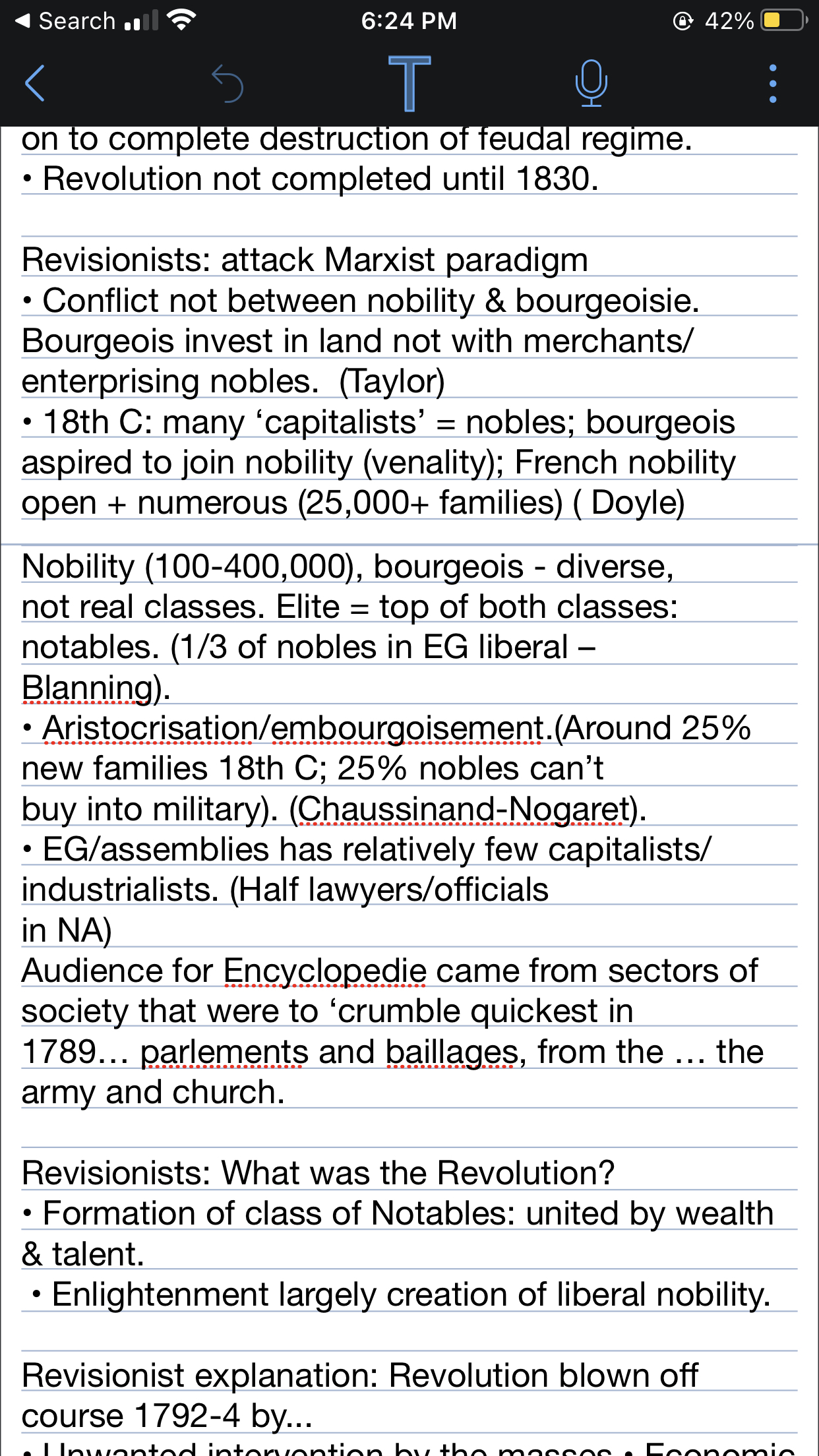
Dates, numbers, and statistics are sometimes important details to remember. Out of the three, dates are usually the most important. They help you build a timeline of events if you’re studying a lesson that teaches about a massive event such as in History courses or Politics courses. By noting down dates, you can build a timeline and see the unfolding of the event in its entirety. Second, numbers and statistics are useful for arguments. Listing these down are useful as reference to further research. However, doing independent research should be able to mitigate the implications of not noting down these types of information.

To note down dates, numbers, and statistics, building a timeline would be useful. This will allow you to visually represent your lesson in a way that is chronological and structured. By doing this, you can see the casualty between concepts or events to allow you to understand the lesson better.

London series: Lecturer’s Notes

Lecturer’s notes are usually handed to the class as reading prior to in-class teaching. These notes are summaries of what will be taught in the class and are usually very complete. However, on the first read you might not be able to fully understand what these notes are saying so use these notes as a guide instead of an absolute lifeline. Additionally, these notes might also have some exercises on them so doing them during the class would benefit you massively as you would only need to revise afterwards.

Using lecturer’s notes is very easy as all you have to do is add additional explanation on the already complete note. This is purely to help you understand what the notes mean in your own language. This will save you time and energy so you can really listen to the lecturer during class and have a more complete learning experience.

London series: Technicalities

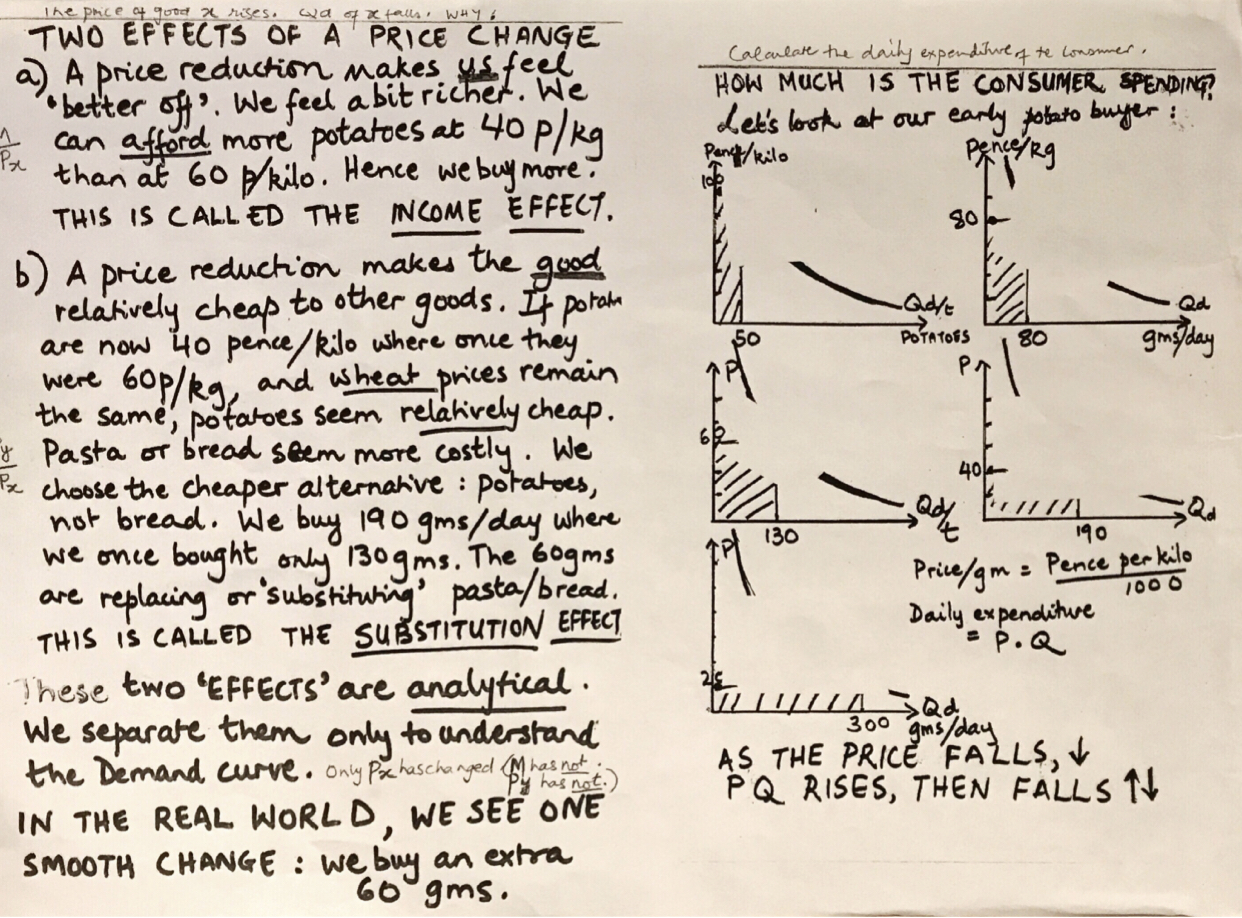
Technicalities refer to the elaboration of a certain concept. For example, in economics there is the topic of the law of demand. The law of demand is explained in several ways to understand its mechanisms such as through graphs and the theory that explains the graph. This serves to help the student understand what the concept is when viewed as a theoretical microcosm within the entirety of the lesson. These technicalities should be noted down very meticulously as UK unis and unis in general regard understanding this as academic success.

When writing down technicalities it’s important to use the notes handed by the lecturer or the presentation used to explain. If these types of materials are provided all you will have to do is add additional explanation to the already written notes until you understand. By doing this, you’re saving your time writing completely new notes and have more time to listen to what the lecturer is actually saying.

London series: Topics

Topics are the most straightforward thing you could take note off. You could literally just write the title of the material or subtopic you are being taught in class. However, doing this mindlessly could present problems when doing further revisions.

When listening to lectures or taking down notes, its important to write a guideline at the top of your notes. The difficulty of writing this guideline can range fro simple to moderately simple as all it is is a list of the topics and subtopics within the module or lesson. This will allow you to see the bigger picture when studying and refer to a specific section when you need to.

London Series: Note-taking

Your notes will be your lifeline in surviving uni. Without them you would find it difficult to succeed as most of the material is verbally delivered. Being able to take good notes is essential in revising and using that information for later reference. While note-taking isn’t an incredibly difficult skill to master, tips and tricks are always useful to be shared when they can. This week we’ll be discussing several tips for you to keep in mind when taking notes.

  • Topics
  • Technicalities
  • Statistics
  • Lecturer’s notes
  • Revision
  • Deadlines