London series: Discussions

Discussions are usually centred around a task or presentation but sometimes tutors moderate a discussion for students to have within class. This might come in forms such as an open forum or debates. Either way, these discussions might not have a significant impact on your grades but will allow you to understand the material better. This is done through the active exchange of perspectives and ideas you will experience when engaging in discussions.

However, speaking during discussions might not be necessary. As valuable as speaking is, listening might be the more important skill needed during discussions. For those of you who can’t be bothered to state their opinion or even think, paying close attention to what other students say will be a valuable yet comfortable experience for you. This can be done by casually sitting around without taking notes but seriously listening to what other students are saying. By doing this, you might not be able to establish a reliable bank of information but feel out the lines of thinking your classmates display. This will allow you to understand different ways of thinking and implement them on your own to view things through different perspectives.
London series: Assignments

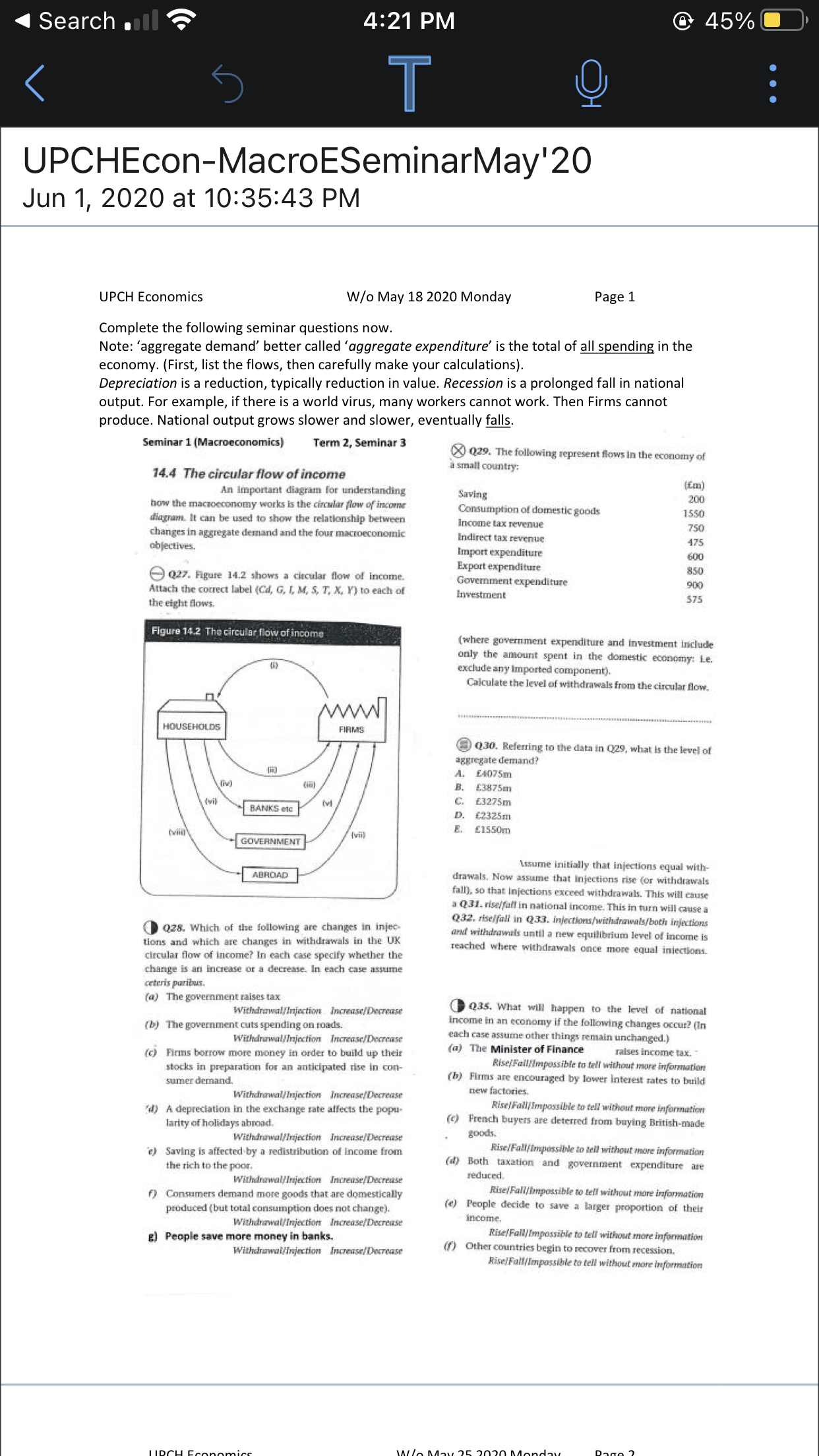
Assignments in class are usually assignments that were given to students in advance so the entire class can discuss the answer. As a result, the first step of properly immersing yourself in completing these assignments is actually doing them beforehand. Then you should prepare them for the class and have your answers written in detail to contribute to the discussion. This is a particularly useful teaching mechanism tutors often use and you should expect to see them in uni.

As these assignments are meant for discussions, listening to other answers is a great way to make the best of them. You can write down notes of what other people think on blank spaces on your worksheet. In particular, a common occurrence is revision where apparently your answer is incorrect. A great way to revise an incorrect answer is to keep your original answer untouched while noting down the correct answer next to it. This is helpful as you can see the faults in your thinking and why you didn’t reach the correct answer.

London Series: Practicals

Practicals will be an important part of your uni experience. They will require you to be take a more hands-on approach compared to normal classes and it will definitely be a bother to most students. Luckily, there are ways to cheat the system and have a relatively more comfortable ride than oblivious students. This week we’ll discuss how you should take on practicals to properly make the most of these sessions.

  • Assignments
  • Discussions
  • Presentations
  • Lab Work

London series: Deadlines

Deadlines might not seem like a part of classes but in some cases they could be. This mainly refers to chasing deadlines within a class by completing the assignment. Although this is obviously not ideal, but tough times call for desperate measures. The only trick thats worth mentioning is to pretend you are taking notes of the lecture. Create a habit of using your laptop for taking notes to dispel any suspicion your tutor might have about you not paying attention to the lecture. This way, you can finish your assignment during class but will have to spend extra effort in getting notes from other people. Additionally, a lecture is probably the best type of class for you to do this in. This is because these classes aren’t very interactive and are usually accommodating a large number of students.

London series: Revision

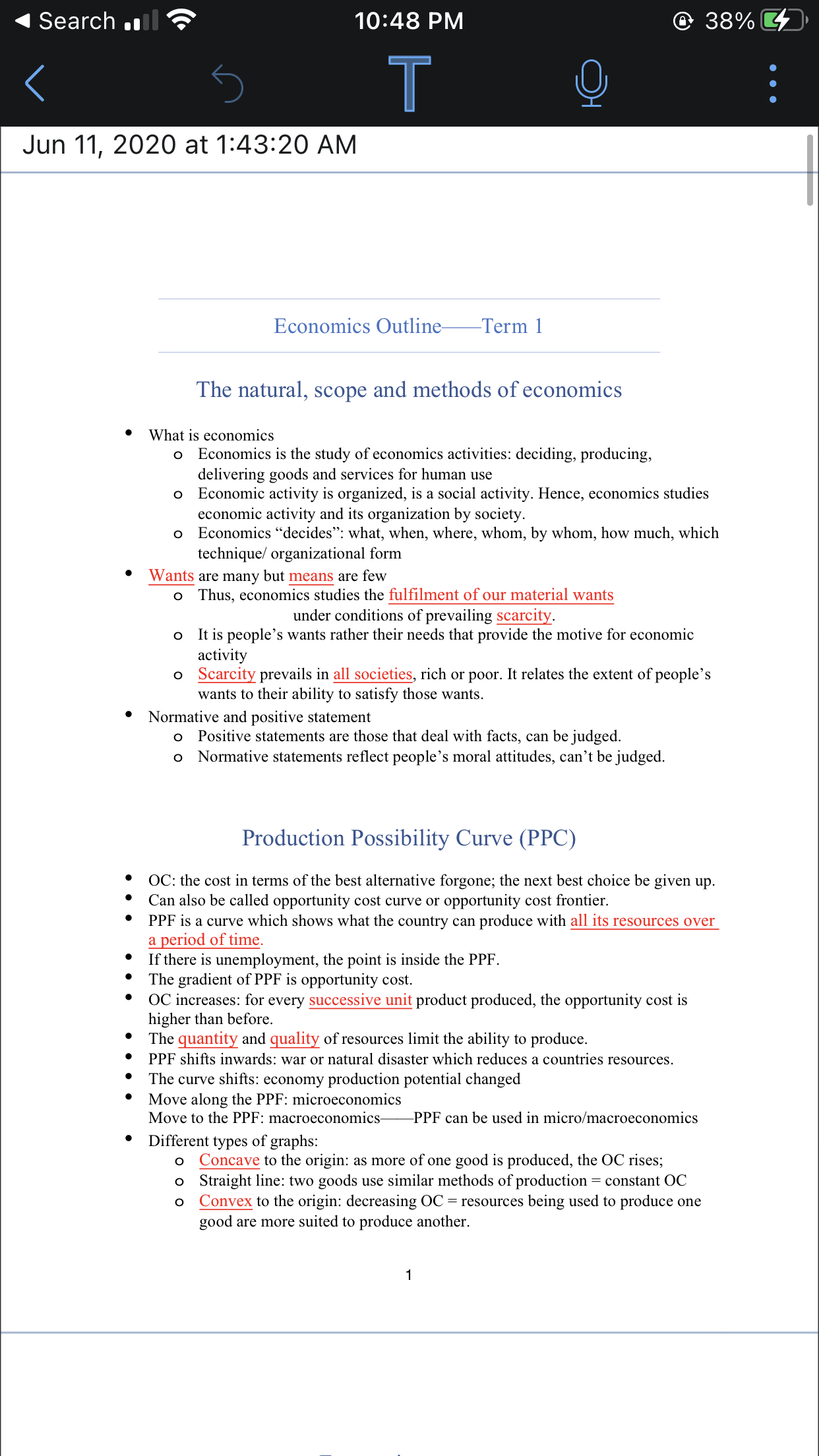
Revision might not be classified as in-class note taking but additional notes can be taken during your independent studying time. This is because students often find new pieces of information about the lesson that they were previously oblivious to after giving it some thought. The additional information is recorded as notes on top of your existing notes and will help you understand the material better. Additionally, this becomes more effective in UK unis as the lectures are recorded and you could add to them if you’d like.

During revision, its always important to write summaries if you have the time and energy. Summaries are usually a great way to help memorise and understand the material as you are actively processing the information. During the writing of summaries, there are probably additional bits of information that you find out and would like to add to your summary. This is sometimes a problem so a good way to write a summary is digitally. The best media to write a digital summary on is a tablet application such as Notes or Notability which allows you to edit your notes and add to them without disrupting them. This way you can always add to your notes and present them in a structured manner.